
Facebook Twitter
DONATE
  • Home
  • About Us
    • Our Work
    • AWOC Board
    • The History Of AWOC
    • Get Involved
  • Myths
  • Resources
  • AWOC Local Groups
  • Blog
  • News
    • News
    • Events
    • Webinars and media interviews
    • Articles
    • Media Enquiries
  • Contact
  • Home
  • About Us
    • Our Work
    • AWOC Board
    • The History Of AWOC
    • Get Involved
  • Myths
  • Resources
  • AWOC Local Groups
  • Blog
  • News
    • News
    • Events
    • Webinars and media interviews
    • Articles
    • Media Enquiries
  • Contact
Facebook Twitter
DONATE

It’s a constant battle to get any help for my mum even though she’s in her 80’s and has dementia!! I feel like I am always having to shout really loudly to get anywhere. I wonder, who will be shouting for me? Or will I be the old lady dying alone in a hospital bed because no one cares?”

“Not everyone has a network of friends and organisations. Not everyone is proactive and able to seek help. Lots of people are falling through the net

“Having no siblings or children makes it all harder”

What do we mean by “ageing without children”

  • People who have not had children either through infertility, health/disability issues or social circumstances
  • People who have made a personal choice not to have children
  • People whose child or children have predeceased them or have adult children with care needs of their own which mean that they are unable to offer support to their parents
  • People who have children but are estranged or have no contact with them due to family breakdown
  • People living at great geographical distance from their adult children who are unable to provide practical support
  • The UK population is growing older and the experience of ageing becoming more diverse which has implications for public services, society and individuals.  Despite significant demographic and social change adult children are still the most common providers of informal care to their parents
  • 23% of adults in their 50s and 22% of those in their 60s have never had children, compared with 15% of those in their 70s (2024). In the future, there will be more older people and a higher proportion of those will be childless.
  • 92% of all informal (unpaid) care in the UK is provided by family
  • The fastest increases in population will be in the over 85s age group
  • The number of people in the UK over 65 and without adult children is predicted to reach 2 million by 2030
  • People ageing without children are a third more likely to be carers for their own parents
  • People ageing without children are 25% more likely to go into a care home (and at an earlier age) than those living with family support
  • There will be an 80% increase in the number of single, childless, older people by 2032
  • There appears to be an increasing number of younger people (under 35) deciding not to have children – Why a generation is choosing to be child free (The Guardian 25 July 2020)
  • In autumn 2024 Age UK reported that 2 million older people in England were living with some sort of unmet social care need.

Why does this matter ?

Health and social care services are predicated upon the underlying assumption that families are there and available to fill the gaps in service provision and, in the case of older people particularly, that those supporting them are largely their adult children.

 We know that adult children provide help in many different ways: for example, low-level support tasks such as accompanying a parent to medical appointments, helping with cleaning and shopping and reminding their parent to take medication.  Many  help their parents research and access care when it is needed, choosing and mediating with providers, and making complaints when necessary.  Some also help with personal care tasks, such as changing dressings to high-level support looking after their parent’s finances, and even being their part-time or full time carer. Others living at a distance often struggle with the challenges of caring for a parent remotely.

In 2023 Age UK launched their “Know what to do” campaign recognising that

With people living for longer, greater pressure on the health and social care system and the continued cost of living crisis, the responsibility of supporting ageing parents is increasingly falling on adult children. (Age UK 2023)

AWOC believes that our health and social care systems do not operate in a way that effectively supports people without family or “next of kin”. Health and care services continue to be under huge pressure and many older people are not able to access the care and support they need in order to maintain independence and quality of life.

Cuts in public spending on adult social care over recent years means that there has been a significant reduction in the types of services that provide lower-level support and a rise in the eligibility threshold reducing access to statutory support for many older people unless their needs are deemed critical or substantial

Family carers are also under considerable pressure but people ageing without any family support or intervention are often invisible and overlooked. The media is full of distressing stories about older people being stuck on trolleys in hospital corridors or being neglected and subject to poor quality treatment or overlooked or abused in care homes.  Usually these stories reach the media because of the intervention of a family member who brings it to public attention but there are many people ageing without any family to intercede on their behalf.

At the same time, many voluntary sector charities and organisations have lost or had to reduce funding for homecare services information and advice and advocacy services. Such services, which are particularly crucial for people without family, are under severe financial pressure and are often only funded to deliver advocacy required by law, for example under the Care Act 2014 or independent mental health advocacy.

Research shows that people ageing without children are less likely to have access to unpaid care support when their health deteriorates and can be left without any help at a time when they need it the most.

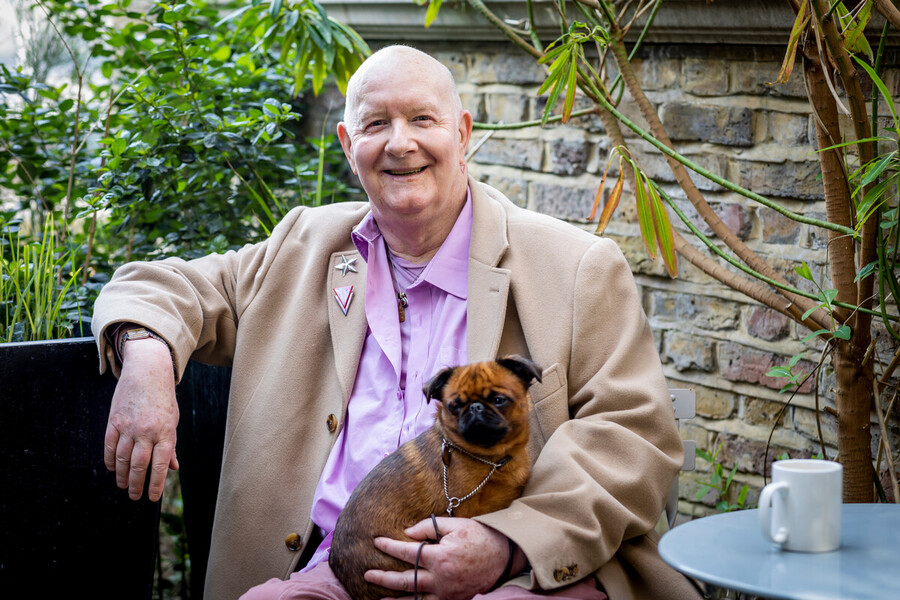
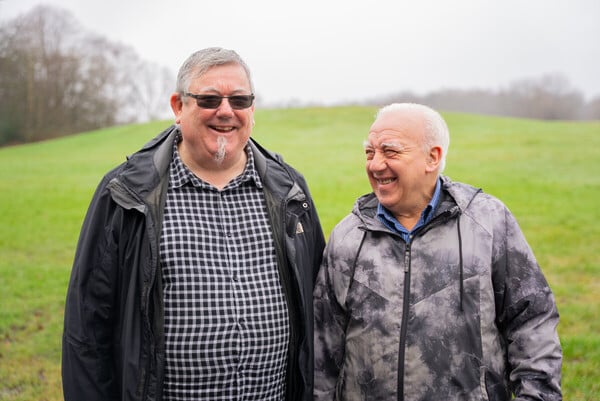
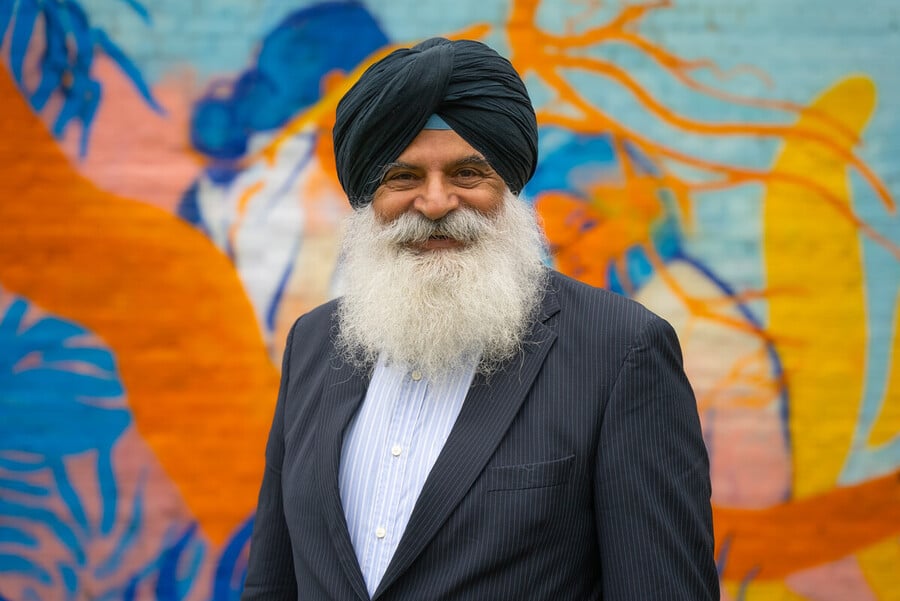
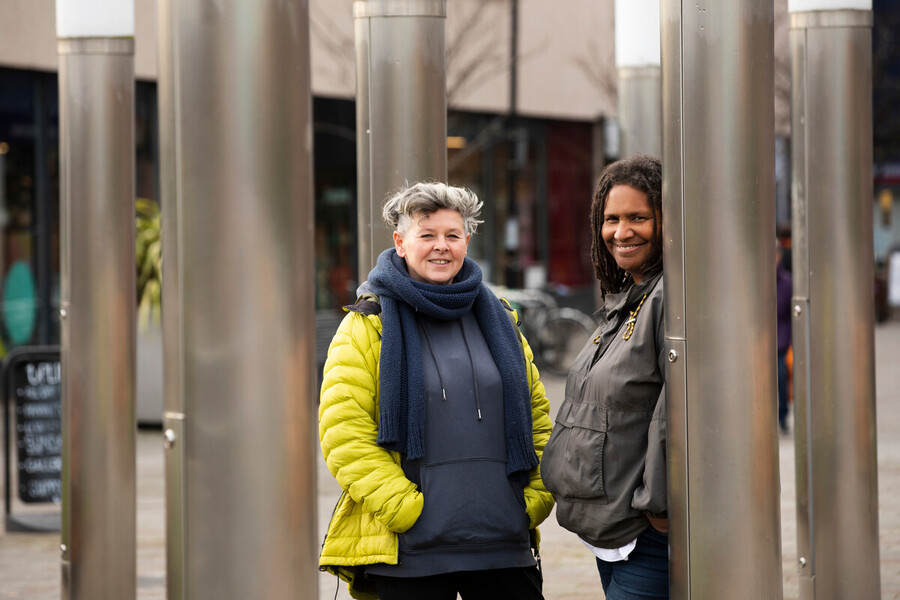
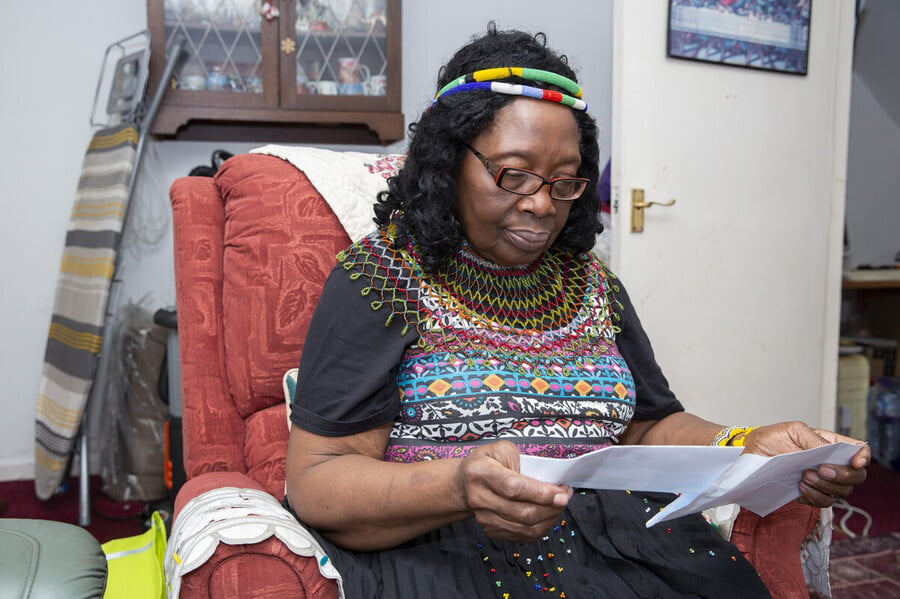
The images are courtesy of the Centre for Ageing Better Age-Positive Image Library www.agewithoutlimits.org
Facebook Twitter
NCVO member logo COLOUR

Charity Number 1195122
Ⓒ Web design Southport by Feel Design

  • Privacy Policy